
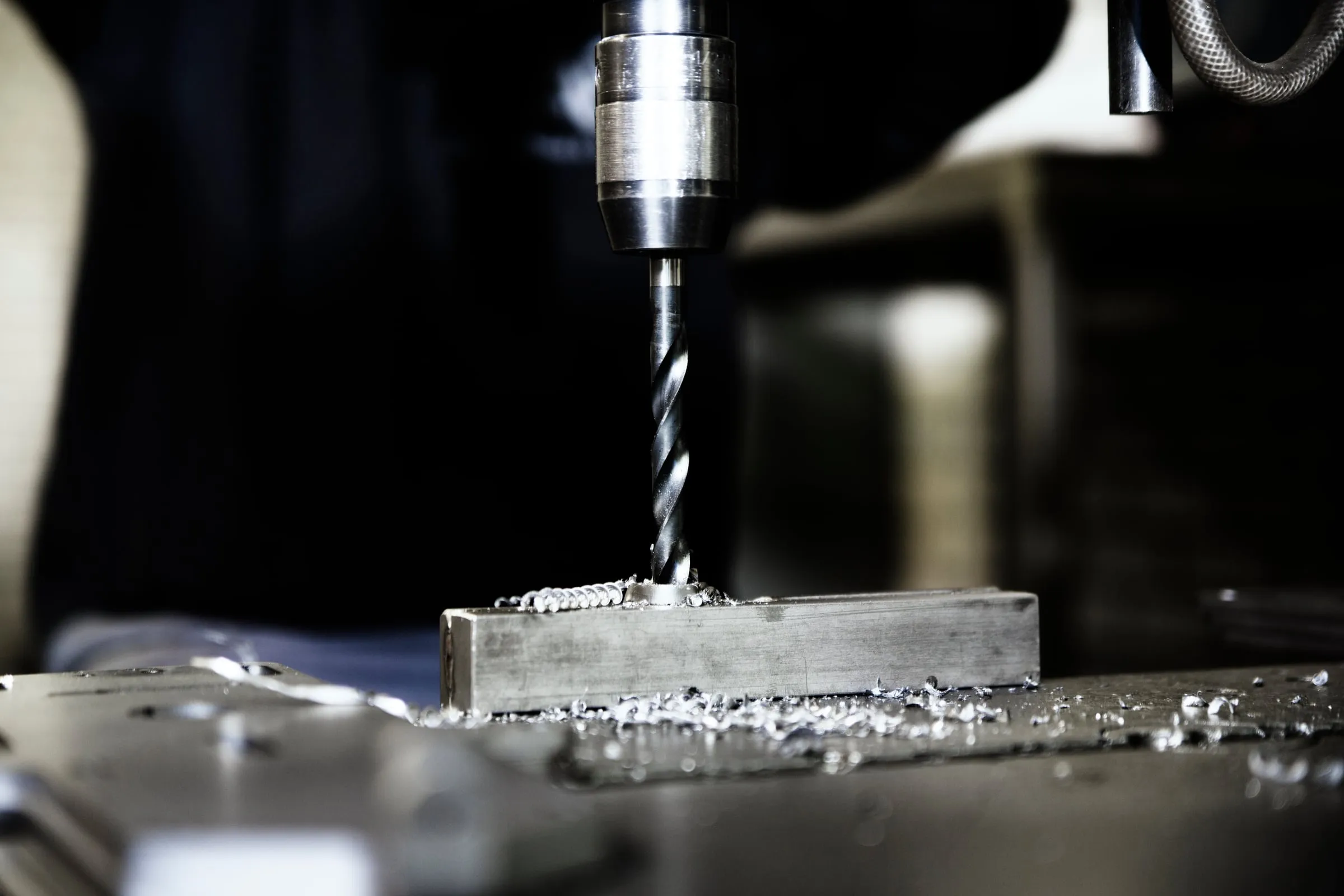
Brass sheet metal
Brass is a copper-zinc alloy with a warm colour. We process it while preserving its natural lustre, for technical and visible applications alike.
About this operation
Brass is valued for its warm colour and its workability. We process brass for interior fit-out, art objects and decorative technical components, with care for preserving its natural lustre.
Brass is an alloy of copper and zinc. The ratio determines its behaviour: more zinc makes the material stronger and easier to form, more copper gives a warmer, redder colour. For sheet metal work a readily formable grade is usually chosen, so that the material does not crack during press braking.
Where brass stands out is its appearance. The surface has a warm, yellow lustre that no coating on stainless steel can match. That makes it attractive for visible work in interiors, for art objects and for decorative technical parts — but it also makes the surface the most vulnerable part of the product.
Brass discolours over time. In contact with air and moisture a darker patina forms, first yellow-brown and later brown to greenish. For some applications that is exactly what is wanted; for others it is not. If you want to keep the lustre, a protective lacquer is needed — or you have to allow for periodic polishing. Tell us which of the two you want, because it determines the finishing.
In processing, brass mainly calls for care of the surface. It is softer than stainless steel and steel and therefore scratches more easily: we keep protective film on the material up to and including the last operation, work with clean tooling and keep brass separate from steel to prevent iron contamination. When press braking we take the rolling direction into account, because a bend across the grain is more likely to crack.
Which cutting method suits your brass part best we determine per request: the reflectivity and thermal conductivity of copper alloys make brass harder to cut than steel or stainless steel. Send your drawing with the sheet thickness, the required brass grade and the surface requirement; we will indicate what is feasible and which route we choose for it.
Brass combines well with other materials. If you are looking for corrosion-resistant visible work without the warm colour, ground stainless steel is often the logical choice; if low weight is decisive, aluminium comes into play. We process all three, so the material choice need not be dictated by the supplier.
Materials: Brass (copper-zinc alloy)
From drawing
to delivery
- 01
Cutting
Precise cutting of brass sheet.
- 02
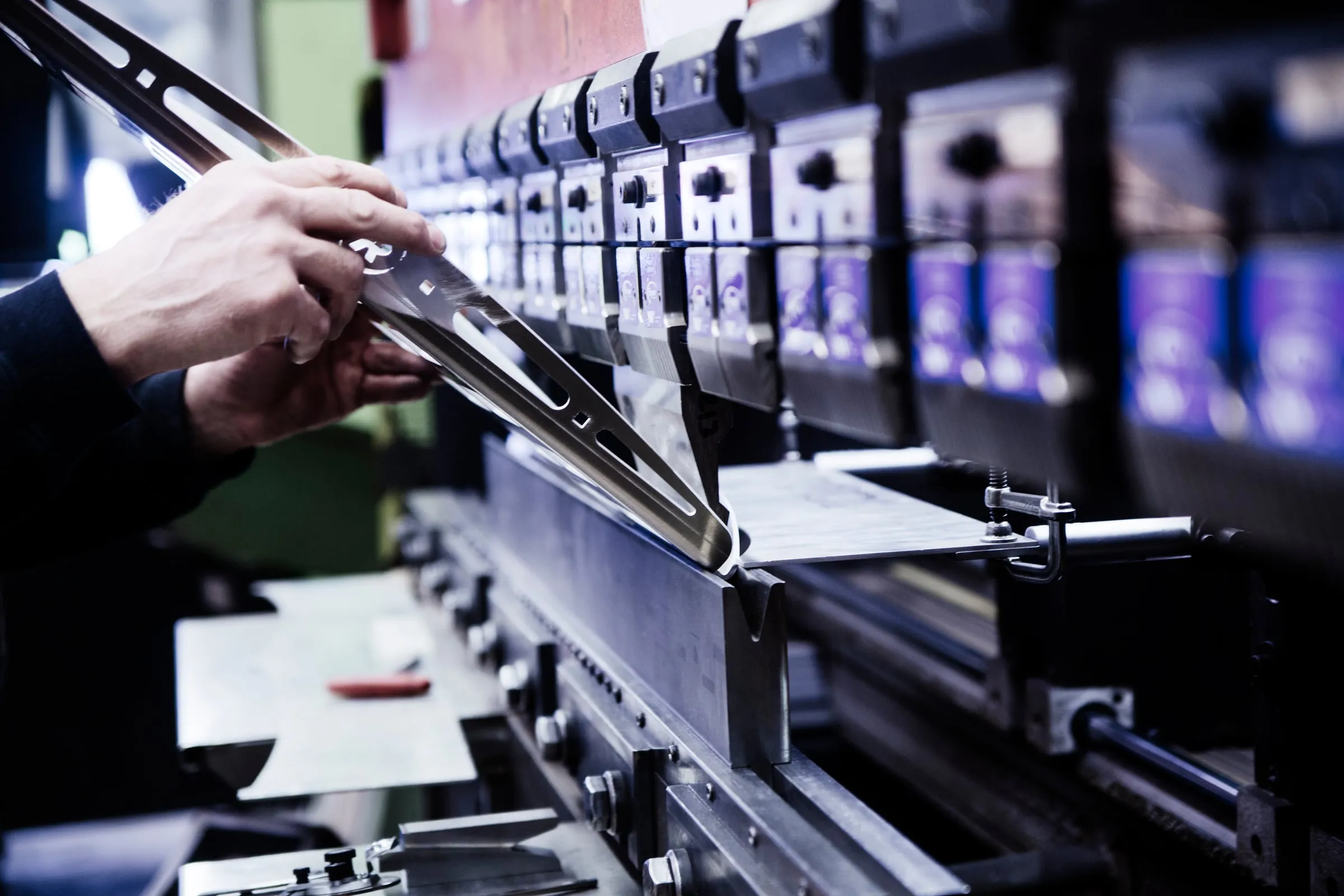
Press braking
Bending without damaging the surface.
- 03
Finishing
Deburring and protecting the lustre.
Applications
Interior fit-out · Art objects · Decorative technical components
Frequently asked questions
Which brass sheet thicknesses can you process?
We determine that per request. The cutting thicknesses we have confirmed for our fibre laser apply to steel, stainless steel, aluminium and galvanised steel; brass is a copper alloy and behaves differently under the laser. Send your drawing with the sheet thickness and brass grade and we will indicate what is feasible.
Does brass discolour over time?
Yes. In contact with air and moisture a patina forms: first yellow-brown, later brown to greenish. For some applications that is exactly what is wanted. If you want to keep the original lustre, a protective lacquer is needed or the part has to be polished periodically.
Can you press brake brass without damaging the surface?
Yes. Brass is softer than stainless steel and steel and therefore scratches more quickly. We keep protective film on up to and including the last operation, work with clean tooling and take the rolling direction into account, because a bend across the grain is more likely to crack.
What is brass sheet metal mainly used for?
For interior construction, art objects and decorative technical components — applications in which the warm, yellow lustre makes the difference. For purely functional parts without a visual requirement, stainless steel or aluminium is usually more economical.
Can you weld brass?
Brass is listed with us as a material for laser welding. Because of the zinc in the alloy it does call for adapted parameters and good extraction. Put your joint to us with the sheet thickness and the joint geometry and we will indicate whether welding, brazing or a mechanical joint is the better route in your case.
Discuss your drawing,
part or assembly.
Response within one working day · 074-2912235 · info@assinkschipholt.nl